Disney characters? On Sora? A Sora expert (who is me) chimes in
Dec 17, 2025
Over 200 Disney characters are coming, officially, to Open AI’s Sora app, alongside a chunk of Disney investment dollars.
Also reported in Variety, Disney simultaneously hit Google with a cease and desist over YouTube videos with unlicensed AI-generated characters, "many of which were made using Google’s AI video tool, Veo."
I wanted to ask a panel of LinkedIn experts for their hot takes, but they were busy forwarding “headlines I don’t think AI could write…” to each other.
Then I remembered I’d spent more time on Sora than 95% of “creative” LinkedIn combined.
I’ve spent the kind of time on Sora my kids spent with Frozen.
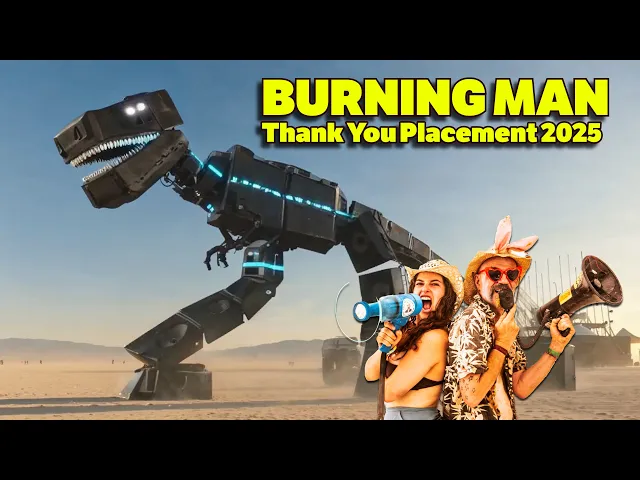
So much Frozen time, I once lip-synched Let it Go all over Burning Man to post on YouTube and amuse the kids (OK, and myself.)
I am, somehow, freakishly, the expert here.
But I was early on YouTube as a creator, and have an IRL avatar (my "Burning Man persona") that transfers well to Sora.
So it kinda makes sense. I know my way around platforms, and I can understand why Sora’s hard for many to wrap their heads around.
Sora's a TikTok-style feed of AI videos and out-there ideas made AI-possible, then endlessly visually remixed.
It can feel like everything that squicks people out about AI. Deep fakes. Consensus reality further eroded in the quest for questionable memes in video form.
Then add a random collection of IRL names - Jake Paul, Mark Cuban, long-time tech personality iJustine and more - who can be inserted into videos, alongside Sora-specific characters. Including, if you choose, yourself.
Weird, I know.
These ideas can then be further remixed, reimagined, decontextualized (why rubber duck now?), recontextualized (oh, right, ducks!), and, at times, regurgitated.
Dumb? Often.
But sometimes, it takes swiping through a neighborhood’s worth of fake front-porch pirate videos to really appreciate someone swinging for the white picket fences creatively.
And me? I thrive in this kind of creative stew.
I’ve been making Sora-fueled minute-long sketch shows. Full length music videos from multiple Sora clips (below). An in-the-works narrative project I’m kinda excited about.
I know Sora, and I see why Disney would, with possible trepidation, ink that deal.
SORA’S WHAT EXACTLY?!
Only a few months old in its current social-feed form, Sora has been described, often, as Sam Altman’s “AI slop feed”.
I have more opinions on that word than I can get into here, but let’s just say that like “dog” (or “AI” itself), it’s a word that covers too many things, often obscuring what’s going on more than illuminating it.
More loftily, OpenAi’s Sam Altman apparently called Sora, “the most powerful imagination engine ever built.”
I mean… as of right now, kinda?
If an “imagination engine” is something that allows you to see a thought from your head quickly turned into a 10 second video, remix other people’s ideas and engage in threads of improvisational “yes, and…”, Sora is an imagination engine.
In a New York Times opinion piece (archived link), a vocally unimpressed Bobbie Johnson noted that "using it made me want to run, screaming, into the ocean."
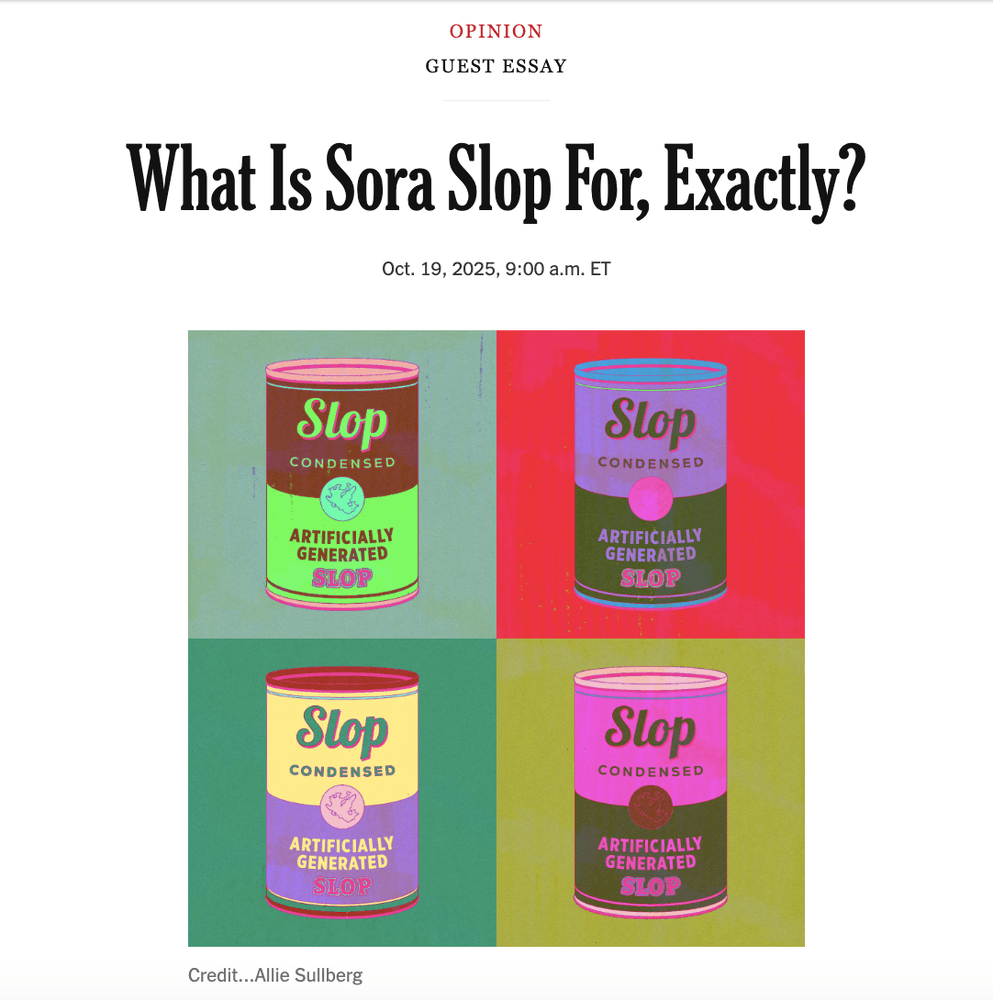
In a more tech-focused NY Times write up, Mike Isaac and Eli Tan report that the Sora experience is "disconcerting" but that "Sora's broad appeal was immediately clear."
If you’ve ever taken an improv comedy class, you know how this works.
“Yes, and…”
I see your idea, challenge accepted, here’s my offering in return.
It’s that, but bigger. Smaller. Add a rubber duck. Make them all rubber ducks. Now add an aircraft carrier. Now make it a duck. Now cut to the studio, where duck generals can analyze what’s happening here.
“Yes and…”
I should note that when prompting, you can throw in full multi-scene scripts, or a few key lines. Or let Sora handle the dialogue.
Sometimes it’s banal descriptions of what you’re watching juiced up by AI voice acting.
Sometimes, it’s pretty damn funny.
GHOULISH PUPPET SHOW? CREATIVE HIVE MIND? POSSIBLY BOTH?
In the NY Times, journalist Johnson (currently writing a book about the history of fakes and the battle for authenticity), described the Sora experience in mid-October as, “a ghoulish puppet show… exploring it feels like wandering around an empty fun fair.”
And yes, Sora often was pretty ghoulish two whole months ago. Which is a long time in AI terms.
The fun fair is fun.
Johnson's "what is this slop for, exactly?" is a rhetorical question in an opinion piece.
Yes, the memes could be crudely offensive, created, as Johnson put it, by “enterprising trolls.”
Enterprising users (ahem) including creators who have honed their chops on other, earlier platforms, will always look for ways to push what’s possible.
Whether for shock value, algorithmic advantage or just because they (we, OK, I’m also talking about me) want to use things in ways they were not intended for.
Creators look at platforms and see a sandbox for play.
Not because there’s a creative brief. Not because there’s a client. But, Everest style, because it’s there.
And yes, there's potential glory in getting to the top. A temptation to lean into tropes. Accumulate followers.
But also, importantly, what emerges is a creative hive mind.
MEMES RIPPLE ACROSS SORA'S SURFACE LIKE COLORS ON A CHAMELEON
Memes and in-jokes ripple across the hive mind like the skin of a chameleon changing color from nose to tail. Or a shoal of tropical fish darting through a bed of corral.
It feels like turn-based virtual reality on a conceptual level. I show you my idea, you show me yours.
It's the kind of participatory co-creation storytelling most brands would kill for.
And, just as TikTok’s laser-sharp interest based algorithm helped define what “side” of TikTok you were on, Sora’s got an evolving alt-Sora scene, with creators world building via media fragments like out-takes from a movie that was never made, or animating collages they’ve created off-platform.
One of my favorite creators makes videos of Eyeball Laura, who has an eyeball for a head and shows up in trippy videos where she dances. It's a vibe.
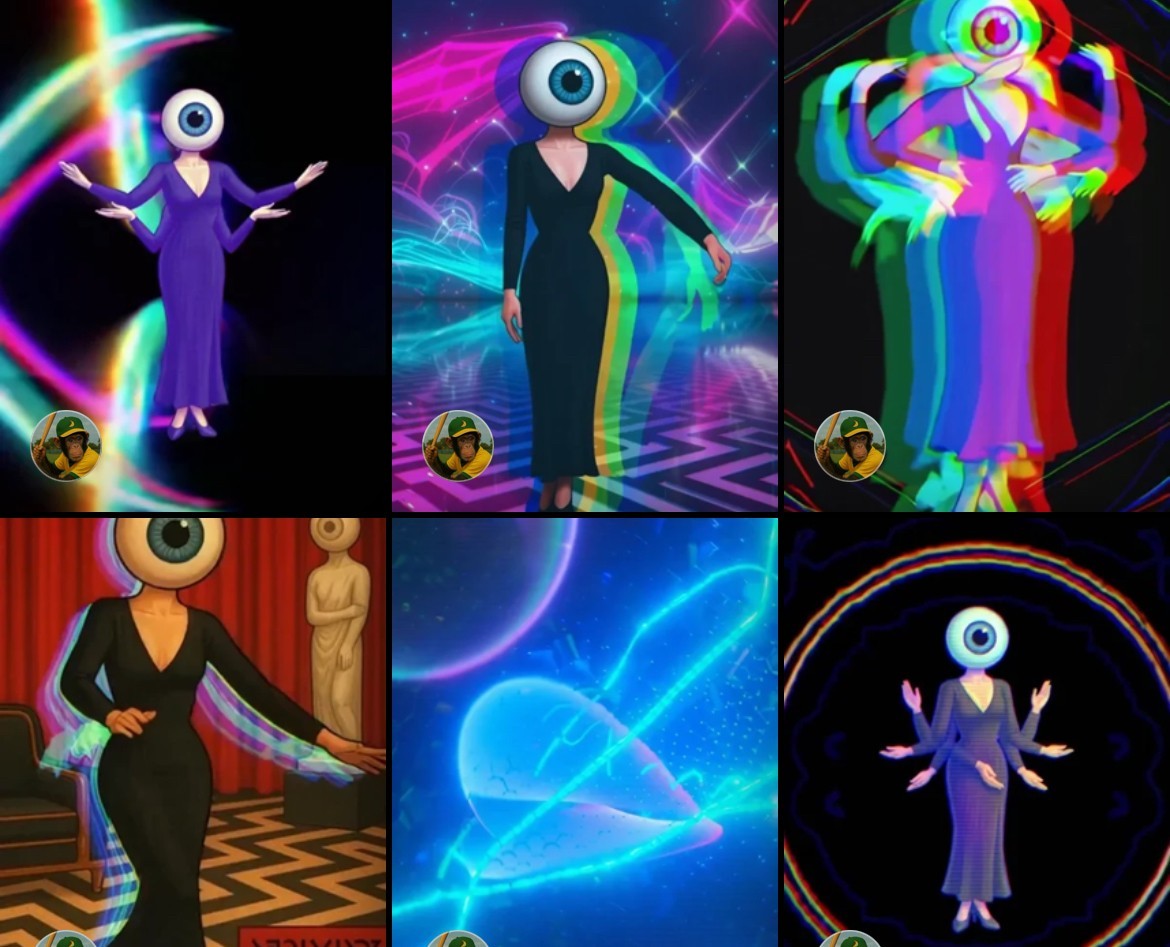
The creator decoupages printed images before animating them.
I know because I asked, then looked up decoupaging.
The end result is like ASMR for ADHD. And it's like the early days of YouTube all over again.
As Johnson unenthusiastically put it, “You can “collaborate” with other people who have uploaded their own likenesses into the system, but this really means your fake avatar collaborating with their fake avatar.”
Except of course, you can actually collaborate with other creators.
I am.
Which is exciting.
When it comes to the societal risk of deepfake technology, Johnson is the expert.
When it comes to the creative potential of AI tools, talk to creators who don’t break out in hives when AI is mentioned.
Not “creative thought leaders”.
People who make stuff with whatever tools they have available.
As Mark Bergen wrote in Like, Comment, Subscribe, his book about the early days of YouTube, the site began to take off “ not from anything (the) co-founders did. Instead, a group of young, creative oddballs had started to use the site religiously to build cultural touchstones all on their own.”
Story for a different post, but Sora can be, very much about, “creating the conditions for interesting things to happen.”
BUT WHAT ABOUT DISNEY, MARK, WHAT ABOUT DISNEY!?!
Getting there!
As noted, Sora’s evolved in a scant few months. There’s less outright offense every few swipes. New features appear, seemingly every other day. The reanimated avatars of (some) dead celebrities are seen breakdancing (and worse) less often.
Film-maker-turned YouTuber Casey Neistat racked up a million views on YouTube taking the app for a spin in early October.
But he says “slop” so often, I’m left wondering if one of his biggest concerns is our ability to surface Casey Neistat content in the pixel-avalanche of the coming content apocalypse.
Advances in content creation (from YouTube to TikTok) makes self-expression available to everyone, he notes, “and I love that.”
But like a lot of people with “AI issues,” he can’t seem to imagine a value in creativity that diverges from his own process.
If it’s too quick, does it even count?
Or do we care about ideas as much as effort?
When asked if they’d eventually tire of Sora, one of his techs pushes back. “Because it's yourself. You're inserting yourself into anything. Like it's me being able to do everything I've wanted since I was a kid.”
And that brings us, finally, to Disney.
SORA AS TURN-BASED PLAY (NOW WITH ADDED DISNEY)
Sora can, as I mentioned, feel like turn-based virtual reality.
Not VR in the headset sense. But in the sense that you’re seeing real looking expressions of ideas previously locked in your head.
Populated by characters you can play with.
To me, that's exciting.
Given the reported cost of creating AI video, Sora may or may not be a financial rounding error to Open AI.
Or, it may be a big, risky financial bet, like Meta’s Reality Labs. With goals around learnings about AI usage and collaborative content creation we’re simply not privy to.
It may be financially unsustainable in its current form, and something most users would not pay a premium above their ChatGPT subscription to access (which is currently how Sora operates).
Users may indeed, as Casey Neistat wonders, tire of it.
And who knows?
Maybe what’s left is a creative sandbox, where kids play with characters from the Disney/Marvel/Star Wars universes.
Kids used to games like Fortnight, where various characters from said rosters have started showing up, alongside characters pulled in from other IP universes.
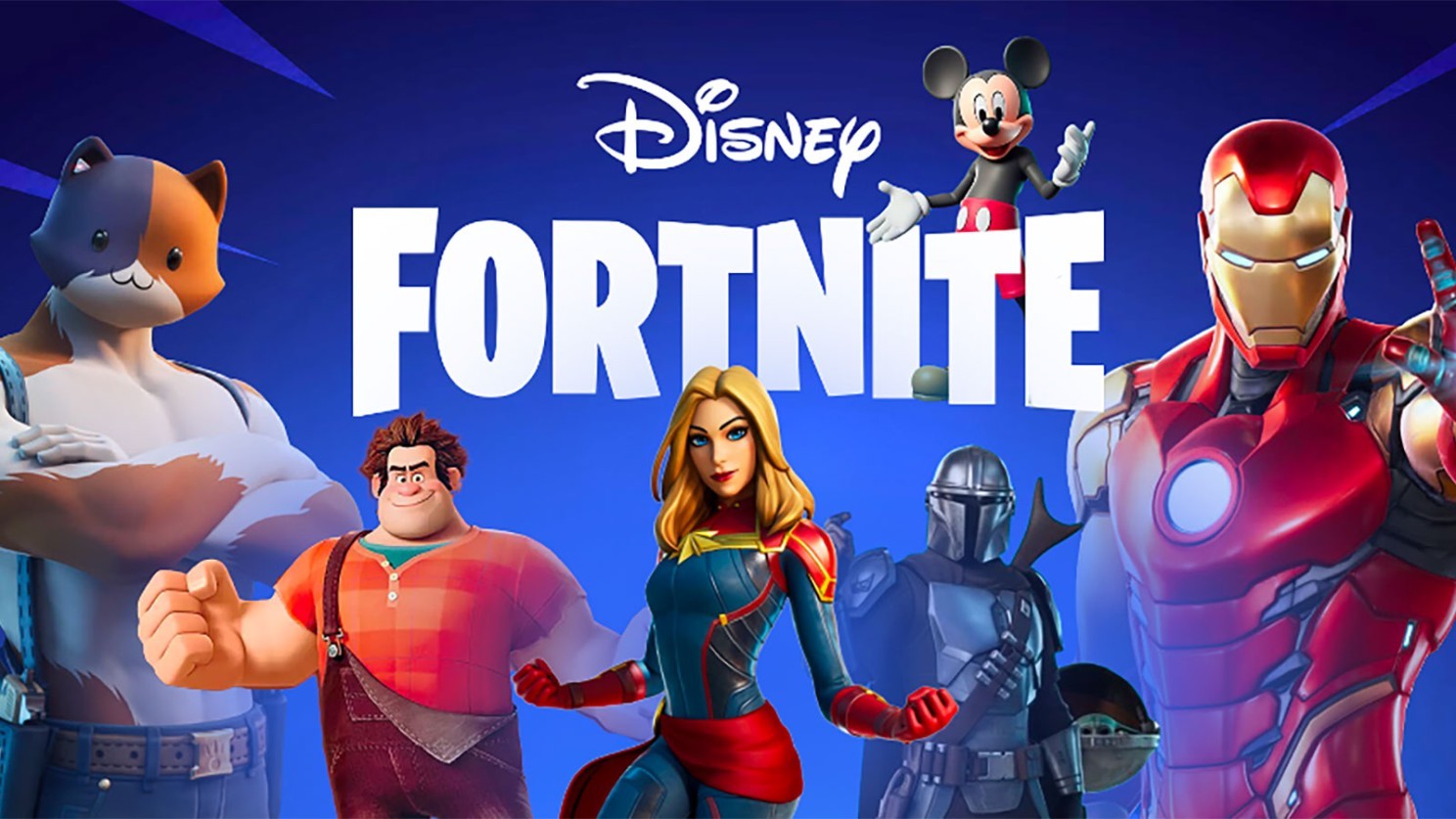
In the press release, Disney's Bob Eiger says the deal "puts imagination and creativity directly into the hands of Disney fans in ways we’ve never seen before, giving them richer and more personal ways to connect with the Disney characters and stories they love.”
Presuming they don't guardrail the thing to the point it's not fun to play with, he's probably right.
Of course there are repetitional risks to showing up on emerging platforms.
Disney has limited official exposure on Roblox, a platform with significant safeguarding concerns, which is currently offering creators the opportunity to license IP from Stranger Things, Squid Game, and some Lionsgate properties like Divergent.
Early stage platforms often take a gung-ho approach to scaling. Break things, let the lawyers deal with it later. I'm not saying that's a "good" thing. But it is what it is, and it helps to have a sense of history.
Viacom’s lawyers accused YouTube of turning a blind eye to copyright infringement when the platform felt more like the wild west.
Today, YouTubeTV delivers an assortment of Viacom (now Paramount) content to my house.Occasionally, I even glance up from making things on my phone and look at it!
Actually, I’m really enjoying Star Trek Strange New Worlds, which is very much giving familiar characters new spins.
They even have a Scottish Scotty, with a proper Scottish accent.
Nothing against James Doohan or Simon Pegg. But Martin Quinn, from Paisley near Glasgow, is the Scotty I want in my Star Trek sandbox.
Disney knows people want to play with IPs.
And with play, to create, not just consume.
And, ideally from their POV, pay for the privilege, I'm sure.
If Minecraft is basically LEGOs, but the bricks all live on someone else's server, Sora's got the potential to be a deeply-engaging digital dollhouse that doubles as a TV studio with real time back and forth play.
A place to tell your own micro-stories, say, and remix others.
A creative holo-deck, if you will.
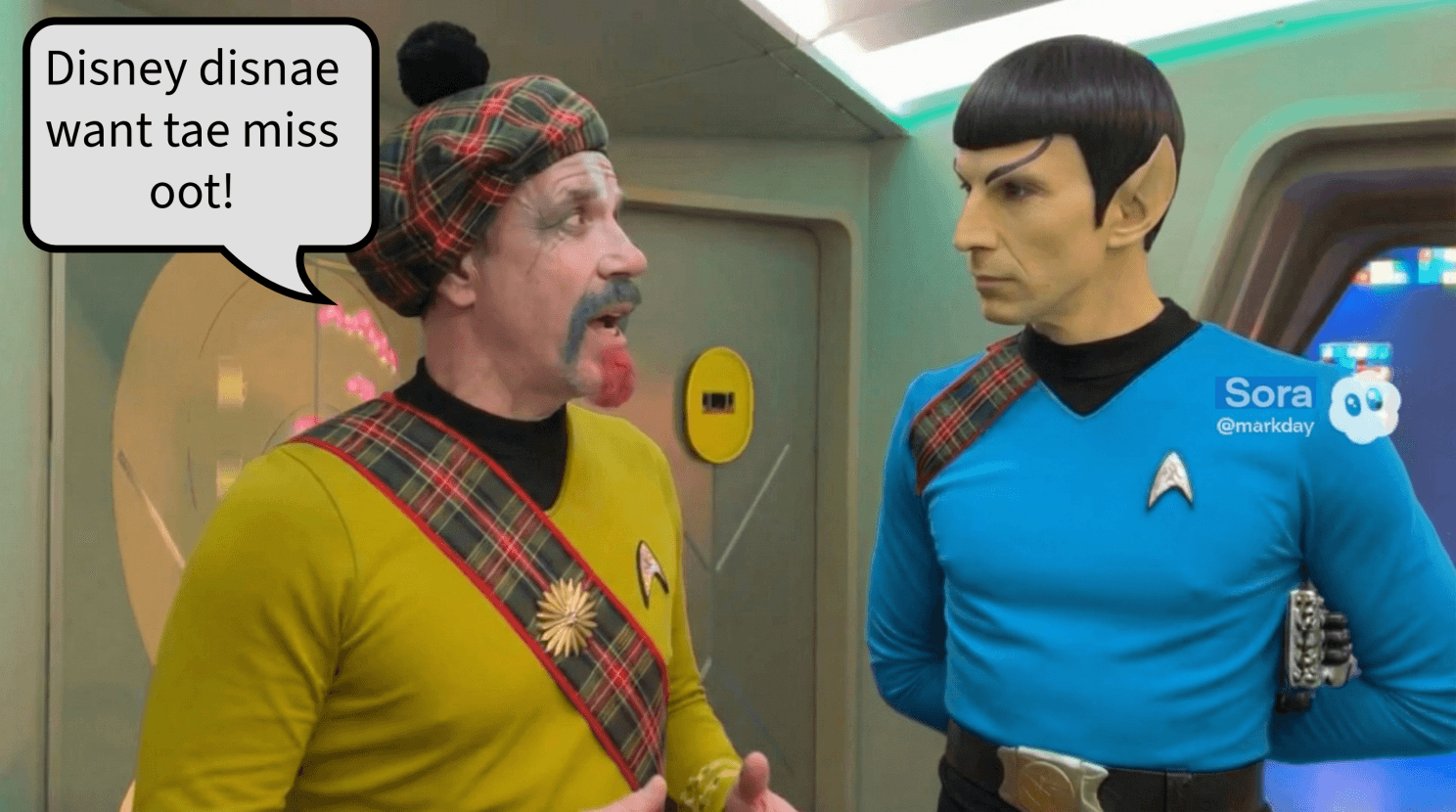
And Disney disnae want tae miss oot on that.
(that's a terrible, Scottish accent joke that probably doesn't work written down and I'm sticking with it...)